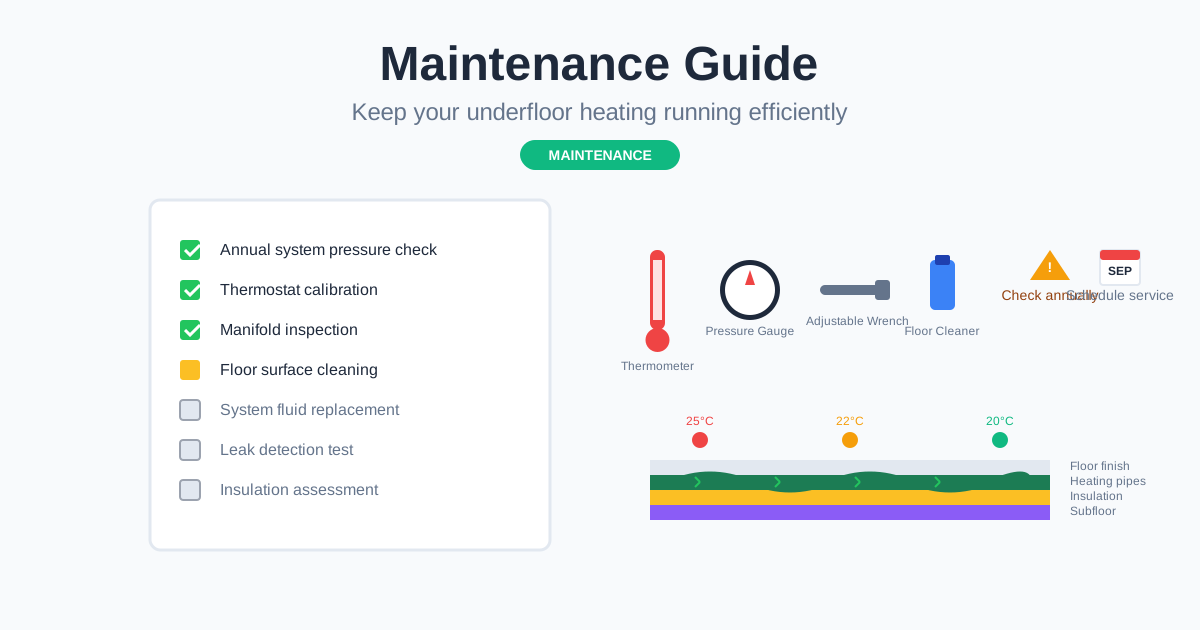
Underfloor heating systems are generally low-maintenance, but regular care ensures optimal performance, prevents costly repairs, and extends system lifespan. This guide covers essential maintenance tasks for both electric and water-based systems.
Why Maintenance Matters
Benefits of Regular Maintenance
- Prevents breakdowns - Early detection of issues
- Maintains efficiency - Systems run at optimal performance
- Extends lifespan - Well-maintained systems last 25+ years
- Preserves warranty - Many warranties require regular servicing
- Saves money - Prevention is cheaper than repair
Maintenance Frequency
- Monthly checks - Basic system operation
- Seasonal maintenance - Before heating season starts
- Annual service - Professional inspection (water systems)
- Deep maintenance - Every 3-5 years as needed
Electric System Maintenance
Monthly Checks
Thermostat Function:
- Test temperature control response
- Check display accuracy
- Verify programming settings
- Test override functions
Visual Inspection:
- Check for floor damage above heating areas
- Look for signs of moisture or water damage
- Ensure furniture hasn’t blocked airflow
- Verify no new fixings penetrate heated areas
Annual Maintenance
Electrical Testing:
- Test RCD operation
- Check circuit protection devices
- Measure insulation resistance (>1MΩ)
- Verify earth continuity
Performance Assessment:
- Compare energy consumption to previous years
- Check heating response times
- Verify even heat distribution
- Test all zone controls independently
Documentation Review:
- Update system records
- Note any changes or repairs
- File test certificates
- Update warranty information
Professional Services
When to Call an Electrician:
- RCD trips repeatedly
- Thermostat malfunction
- Cold spots develop
- Electrical testing required
- Insurance claims
What to Expect:
- Full electrical safety testing
- Insulation resistance measurement
- Thermostat calibration check
- Performance assessment
- Compliance certificate
Water System Maintenance
Monthly Checks
System Pressure:
- Check pressure gauge readings (1-2 bar typical)
- Top up if pressure drops
- Note any frequent pressure loss
- Check for visible leaks
Pump Operation:
- Listen for unusual noises
- Check pump runs when heating called for
- Verify circulation in all zones
- Note any vibration or rattling
Seasonal Maintenance (Pre-Heating Season)
System Preparation:
- Pressure check - Top up if below 1 bar
- Vent air - Bleed any trapped air from system
- Filter cleaning - Clean manifold filters if fitted
- Valve operation - Check all valves operate smoothly
- Thermostat testing - Test all room controls
Manifold Inspection:
- Check for leaks at connections
- Verify flow meter readings (if fitted)
- Test manual override valves
- Ensure cabinet doors close properly
Annual Professional Service
System Health Check:
- Pressure testing of all loops
- Water quality analysis
- Pump performance assessment
- Control system calibration
Component Inspection:
- Manifold and valve condition
- Pump seals and connections
- Expansion vessel pre-charge
- Safety valve operation
Cleaning and Flushing:
- System flush if required
- Inhibitor level checking
- Addition of system chemicals
- Filter replacement
Water Quality Management
Importance of Water Quality:
- Prevents corrosion and scaling
- Maintains heat transfer efficiency
- Protects system components
- Extends component lifespan
Chemical Treatment:
- Corrosion inhibitors (essential)
- Antifreeze where required
- Biocides for glycol systems
- pH adjustment chemicals
Testing Requirements:
- Annual water quality testing
- Check inhibitor levels
- Monitor pH levels (7.5-8.5 ideal)
- Look for contamination signs
Common Problems and Solutions
Electric Systems
Problem: No Heat Output Possible causes:
- Tripped RCD or blown fuse
- Thermostat malfunction
- Damaged heating element
- Poor connections
Solutions:
- Check electrical supply and reset RCD
- Test thermostat operation and settings
- Call electrician for continuity testing
- Professional repair of damaged elements
Problem: Uneven Heating Possible causes:
- Damaged floor covering or insulation
- Furniture blocking heat distribution
- Element spacing issues
- Poor screed coverage
Solutions:
- Remove obstructions
- Check floor covering thermal resistance
- Professional assessment of element coverage
- Consider additional heating in cold areas
Problem: High Energy Bills Possible causes:
- Poor insulation
- Incorrect thermostat settings
- System oversizing
- External heat loss
Solutions:
- Improve building insulation
- Optimise thermostat programming
- Professional system assessment
- Consider zone control improvements
Water Systems
Problem: Cold Radiators/Zones Possible causes:
- Air locks in system
- Pump failure
- Valve problems
- Blocked pipes
Solutions:
- Bleed air from system
- Check pump operation
- Test valve operation
- Professional system flush
Problem: Pressure Loss Possible causes:
- System leaks
- Expansion vessel failure
- Automatic air vent issues
- Pressure relief valve problems
Solutions:
- Locate and repair leaks
- Check expansion vessel pre-charge
- Test and replace faulty valves
- Professional system inspection
Problem: Noisy System Possible causes:
- Air in system
- Pump problems
- Loose pipe work
- Flow rate issues
Solutions:
- Systematic air bleeding
- Pump service or replacement
- Secure loose connections
- Balance system flow rates
Troubleshooting Guide
Basic Diagnostics
System Won’t Start:
- Check power supply
- Verify thermostat settings
- Test safety devices (RCD/breakers)
- Check system isolation valves
Poor Performance:
- Compare to previous performance
- Check external temperature compensation
- Verify pump operation (water systems)
- Test individual zone operation
High Running Costs:
- Monitor usage patterns
- Check programming efficiency
- Compare heat output to heat loss
- Consider insulation improvements
When to Call Professionals
Electric Systems:
- Any electrical safety concerns
- Suspected cable damage
- Insurance claim requirements
- System design issues
Water Systems:
- Major leaks or pressure loss
- Pump or control failures
- Water quality problems
- System rebalancing needs
Preventive Measures
Protecting Your Investment
Avoid Common Damage:
- No drilling or fixing in heated areas
- Use appropriate floor coverings
- Maintain consistent temperatures
- Protect manifolds from damage
Insulation Maintenance:
- Check for settlement or damage
- Maintain vapour barriers
- Prevent thermal bridging
- Upgrade when renovating
Control System Care:
- Update programming seasonally
- Protect thermostats from damage
- Keep user manuals accessible
- Train family members on operation
Documentation Management
Keep Records Of:
- Installation certificates
- Annual service records
- Warranty information
- System drawings and specifications
- Component serial numbers
- Repair history
Upgrade Opportunities
Consider Upgrades When:
- Controls become outdated
- Energy costs increase significantly
- Comfort issues develop
- Home renovations planned
Popular Upgrades:
- Smart thermostats
- Weather compensation
- Zone valve improvements
- Pump efficiency upgrades
Seasonal Considerations
Spring Maintenance
- End of season assessment
- Note any issues for summer addressing
- Plan maintenance work
- Update system documentation
Summer Period
- Ideal time for major maintenance
- System modifications and upgrades
- Professional servicing
- Component replacement
Autumn Preparation
- Pre-season system checks
- Thermostat programming updates
- Filter cleaning
- Pressure and air venting
Winter Monitoring
- Regular performance checks
- Energy consumption monitoring
- Quick response to issues
- Emergency contractor details handy
Cost-Effective Maintenance
DIY Tasks
- Basic visual inspections
- Thermostat programming
- Pressure monitoring
- Filter cleaning (where accessible)
Professional Requirements
- Electrical safety testing
- Pressure testing
- Water quality management
- Warranty compliance work
Budget Planning
- Annual service costs: £100-£200
- Component replacements: £50-£500
- Emergency repairs: £200-£800
- System upgrades: £500-£2000+
Long-Term System Care
Lifespan Expectations
- Electric systems: 25-30 years (heating elements), 10-15 years (controls)
- Water systems: 25+ years (pipes), 10-15 years (pumps/controls)
- Manifolds: 20+ years
- Thermostats: 8-12 years
Planning for Replacement
- Monitor system efficiency trends
- Budget for component replacement
- Consider technology upgrades
- Plan around home renovations
Conclusion
Regular maintenance is essential for reliable, efficient underfloor heating operation. While these systems are generally robust, preventive care prevents minor issues becoming major problems.
Most homeowners can handle basic maintenance tasks, but don’t hesitate to use qualified professionals for complex issues or annual servicing. The cost of regular maintenance is far less than emergency repairs or system replacement.
Keep good records, stay alert to performance changes, and address issues promptly. A well-maintained underfloor heating system will provide decades of comfortable, efficient heating with minimal problems.
Remember: prevention is always better than cure, and regular maintenance protects your investment while ensuring optimal comfort and efficiency.