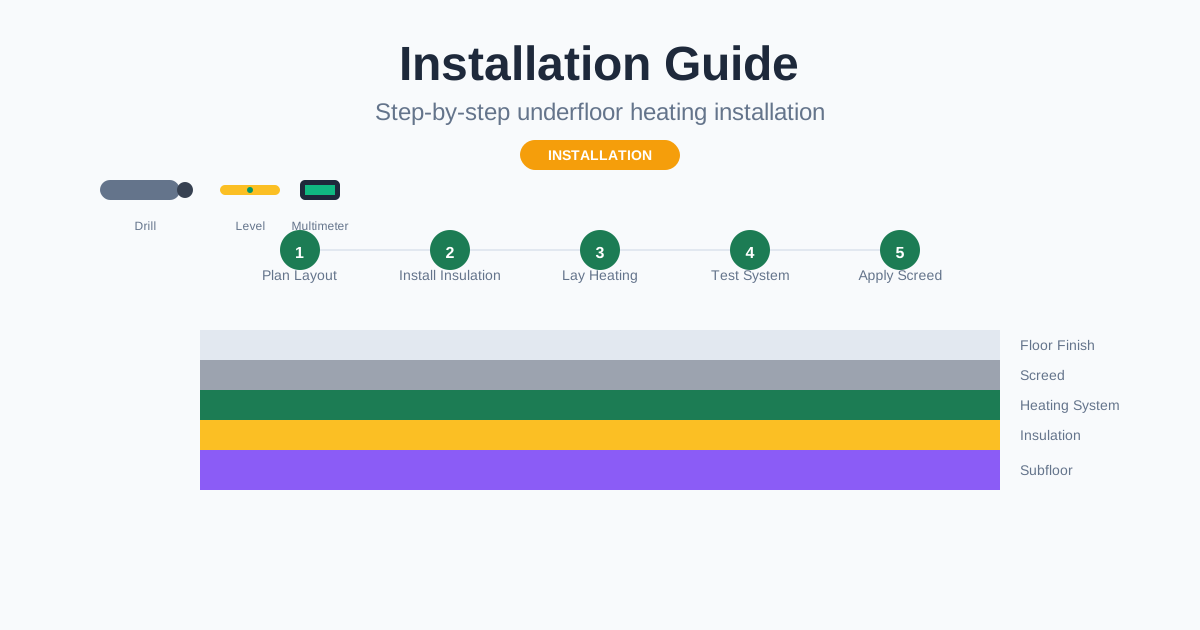
Installing underfloor heating can be a rewarding DIY project that adds comfort and value to your home. While electric systems are more DIY-friendly, both types can be installed by competent DIY enthusiasts with the right preparation and knowledge.
Before You Start
When to Consider DIY Installation
- You have experience with flooring, electrical, or plumbing work
- You’re comfortable following detailed instructions
- The installation area is relatively small (under 50m²)
- You’re installing electric UFH (water systems require more expertise)
When to Use a Professional
- Large installations (whole house)
- Complex layouts with multiple zones
- Integration with existing heating systems
- Building regulations require certified installation
- You’re uncomfortable with electrical or plumbing work
Tools and Materials Needed
For Electric UFH Installation
Tools:
- Multimeter
- Insulation resistance tester
- Tile spacers and adhesive spreader
- Sharp knife or cable strippers
- Chalk line or measuring tape
- Digital camera (for progress photos)
Materials:
- Electric heating mats or cables
- Thermostat and floor probe
- Insulation boards (if required)
- Self-levelling compound
- Electrical cables and connectors
- Junction boxes
For Water UFH Installation
Tools:
- Pipe bending tool
- Manifold mounting bracket
- Pressure testing equipment
- Staple gun or clips
- Spirit level
- Pipe cutters
Materials:
- UFH pipes (16mm or 20mm)
- Manifold and controls
- Insulation boards
- Edge strips
- Screed or floor covering
- Pump and mixing valve
Electric UFH Installation Steps
Step 1: Plan Your Layout
- Measure the room accurately
- Mark furniture positions (heating not needed under fixed items)
- Locate thermostat position (1.5m from floor, away from heat sources)
- Plan cable routing to avoid damage during installation
Step 2: Prepare the Subfloor
- Ensure subfloor is level (within 3mm per metre)
- Clean thoroughly and repair any damage
- Install insulation boards if required (recommended for ground floors)
- Mark out the heating area with chalk lines
Step 3: Install the Thermostat
- Mount thermostat box at chosen location
- Run supply cable from consumer unit (dedicated circuit required)
- Install floor sensor conduit from thermostat to heating area
- Test all connections before proceeding
Step 4: Lay Heating Elements
- Unroll heating mats according to manufacturer’s spacing
- Ensure cables don’t cross or overlap
- Secure with appropriate adhesive or clips
- Install floor temperature sensor in conduit between cables
- Take photos for future reference
Step 5: Test the System
- Use multimeter to check continuity
- Test insulation resistance (should be >1MΩ)
- Record readings for warranty purposes
- Test thermostat operation
Step 6: Install Floor Covering
- Cover heating elements with screed or tile adhesive
- Ensure no air pockets around cables
- Allow to cure fully before applying floor finish
- Install final floor covering according to manufacturer’s guidelines
Water UFH Installation Steps
Step 1: Design Your System
- Calculate heat loss for each room
- Determine pipe spacing and loop lengths
- Size manifold and pump requirements
- Plan pipe routes and manifold location
Step 2: Install Insulation
- Lay insulation boards across entire floor area
- Seal joints with tape
- Install edge strips around perimeter
- Mark pipe routes on insulation
Step 3: Install Manifold and Controls
- Mount manifold in accessible location
- Connect to heating system (flow and return)
- Install pump and mixing valve if required
- Fit zone valves and room thermostats
Step 4: Lay UFH Pipes
- Start from manifold and work systematically
- Maintain consistent spacing (typically 150-200mm)
- Secure pipes with clips or staples every 500mm
- Avoid kinking or sharp bends
- Return to manifold to complete each loop
Step 5: Pressure Test
- Connect all loops to manifold
- Fill system with water
- Pressure test at 6 bar for 24 hours
- Check for leaks and repair if necessary
Step 6: Install Screed
- Apply screed over pipes (minimum 65mm depth)
- Ensure pipes are covered by at least 40mm
- Use rapid-set screed for quicker drying
- Allow to cure fully before final flooring
Common Mistakes to Avoid
Electric Systems
- Damaging cables - Always test continuity after each stage
- Incorrect spacing - Too close can cause overheating, too far reduces efficiency
- Poor insulation - Heat loss downwards wastes energy
- Wrong thermostat type - Use floor-sensing thermostats for UFH
Water Systems
- Inadequate pressure testing - Always test at working pressure
- Uneven pipe spacing - Causes hot and cold spots
- Insufficient screed depth - Can cause cracking and poor heat distribution
- Poor manifold location - Should be accessible for maintenance
Testing and Commissioning
Final Checks
- Electrical safety - All connections properly terminated
- System operation - All zones heating correctly
- Temperature control - Thermostats responding properly
- Documentation - Keep all test certificates and layouts
Commissioning New System
- Start with low temperatures (25°C max)
- Gradually increase over several days
- Balance water flow to each loop
- Set thermostats to required temperatures
- Monitor system for first few weeks
Troubleshooting Common Issues
System Not Heating
- Check power supply and fuses
- Verify thermostat settings and sensor operation
- Test continuity in electric systems
- Check pump operation in water systems
Uneven Heating
- Review pipe/cable spacing
- Check for damaged elements
- Verify screed thickness and quality
- Balance water flow rates
High Energy Bills
- Check insulation adequacy
- Verify thermostat programming
- Look for system leaks or damage
- Consider upgrading controls
Building Regulations and Safety
Electrical Work
- Part P compliance required in England and Wales
- Use qualified electrician for final connections
- Obtain electrical certificate
- Notify Building Control if required
Structural Considerations
- Check floor loading capacity for screed
- Ensure adequate floor height available
- Consider thermal bridging effects
- Comply with Part L energy efficiency requirements
Maintenance and Care
Annual Checks
- Test all thermostats and sensors
- Check for physical damage to floor
- Verify system pressures (water systems)
- Clean manifold filters if fitted
Long-term Care
- Avoid drilling or fixing into heated areas
- Use appropriate floor coverings
- Service pumps and valves every 3-5 years
- Keep system documentation safe
Conclusion
DIY underfloor heating installation is achievable with proper planning, the right tools, and careful attention to detail. Electric systems are more straightforward for DIY installation, while water systems require more plumbing expertise.
Remember that mistakes can be costly to rectify once the system is covered, so take your time and don’t hesitate to consult professionals if you’re unsure about any aspect of the installation.
The reward of comfortable, efficient heating that you’ve installed yourself makes the effort worthwhile, and the skills gained will serve you well for future home improvement projects.