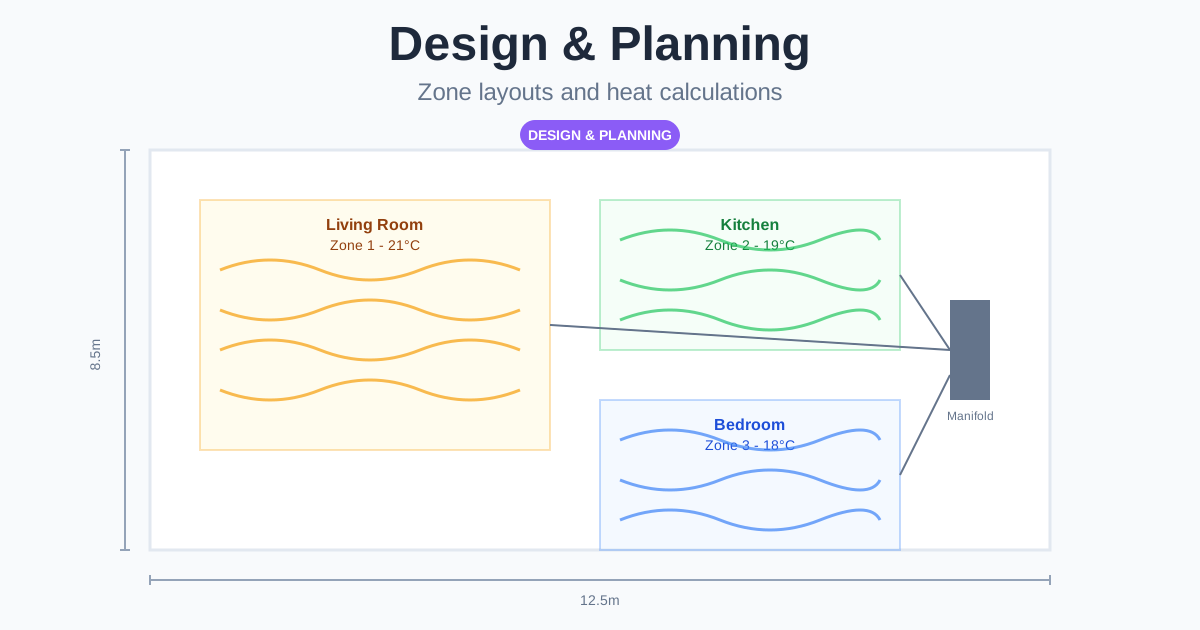
Proper design and planning is crucial for a successful underfloor heating installation. Getting the design right from the start ensures optimal comfort, energy efficiency, and system longevity whilst avoiding costly mistakes.
Understanding Heat Loss
Why Heat Loss Calculation Matters
Before designing any underfloor heating system, you must understand how much heat each room loses. This determines:
- Required heat output per square metre
- Pipe spacing or cable density needed
- System operating temperatures
- Energy consumption and running costs
Basic Heat Loss Factors
Building fabric losses:
- Wall insulation levels (U-values)
- Window types and areas
- Roof and floor insulation
- Air infiltration rates
Environmental factors:
- Local climate conditions
- Desired internal temperatures
- Room usage patterns
- Building orientation
Simple Heat Loss Estimation
For typical UK homes:
- Well-insulated modern home: 40-60 W/m²
- Average home (built 1980s-2000s): 60-80 W/m²
- Older home (pre-1980): 80-120 W/m²
- Poor insulation/high ceilings: 120+ W/m²
These are rough guides - professional calculation recommended for accuracy.
Floor Construction Planning
Insulation Requirements
Ground floors:
- Minimum 100mm rigid foam insulation
- Consider 150mm for higher efficiency
- Vapour barrier may be required
Suspended floors:
- 50-100mm between joists minimum
- Reflective layer facing up towards heating
- Ensure adequate ventilation maintained
Upper floors:
- 25-50mm to reduce downward heat loss
- Acoustic benefits in multi-storey buildings
- Consider neighbours in flats
Floor Height Considerations
Electric systems:
- Heating mats: 3-6mm thickness
- Loose wire: 5-10mm in screed
- Minimal impact on door clearances
Water systems:
- Pipes: 16-20mm diameter
- Screed: 65-75mm minimum depth
- Total build-up: 100-120mm typical
Floor Covering Compatibility
Best performance:
- Ceramic tiles (excellent heat transfer)
- Natural stone (high thermal mass)
- Engineered wood (<18mm thick)
- Luxury vinyl tiles (LVT)
Good performance:
- Laminate flooring (<12mm)
- Carpet with combined tog value <2.5
Poor/unsuitable:
- Solid wood >20mm thick
- Thick carpets or underlay
- Rubber or cork (high insulation)
System Zoning Strategy
Benefits of Zoning
- Independent temperature control per area
- Reduced energy consumption
- Accommodates different usage patterns
- Allows for future modifications
Typical Zoning Approach
Separate zones for:
- Living areas (18-21°C)
- Bedrooms (16-18°C)
- Bathrooms (22-24°C)
- Kitchens (18-20°C)
- Conservatories (variable)
Zone Size Considerations
- Maximum 15m² per zone (electric)
- Maximum 20m² per loop (water systems)
- Consider furniture layout
- Plan for future room changes
Water System Design
Pipe Spacing Calculation
Standard spacing options:
- 100mm centres: High output (150+ W/m²)
- 150mm centres: Medium output (100-150 W/m²)
- 200mm centres: Low output (60-100 W/m²)
- 300mm centres: Very low output (<60 W/m²)
Loop Length Guidelines
- Maximum 100m per loop (16mm pipe)
- Maximum 120m per loop (20mm pipe)
- Aim for similar lengths per manifold
- Consider pressure drop calculations
Pipe Layout Patterns
Spiral/snail pattern:
- Most efficient heat distribution
- Easier installation in large areas
- Self-balancing temperature
Serpentine pattern:
- Simpler to understand and plan
- Good for rectangular rooms
- May create temperature variations
Manifold Planning
Location requirements:
- Central to all loops
- Accessible for maintenance
- Protected from damage
- Adequate ventilation
Sizing:
- One outlet per loop/zone
- Allow for future expansion
- Include balancing valves
- Consider flow meter options
Electric System Design
Cable Spacing Calculation
Based on required heat output:
- High output (150 W/m²): 75mm spacing
- Medium output (100 W/m²): 112mm spacing
- Low output (75 W/m²): 150mm spacing
Mat vs Loose Wire Systems
Heating mats:
- Fixed spacing (typically 150mm)
- Easier installation
- Less flexible for irregular shapes
Loose wire systems:
- Variable spacing possible
- Fits around obstacles
- More planning required
Circuit Planning
- Maximum 16A per circuit
- Typically 2-3kW per circuit
- Separate circuit per zone recommended
- RCD protection essential
Control System Design
Thermostat Types
Air sensing:
- Measures room air temperature
- Slower response time
- Risk of overheating floor
Floor sensing:
- Measures floor temperature
- Faster response
- Prevents floor damage
- Recommended for UFH
Dual sensing:
- Combines both methods
- Optimal comfort and protection
- Higher cost but better performance
Smart Controls
Benefits:
- Programmable schedules
- Remote access
- Weather compensation
- Energy monitoring
Features to consider:
- Learning algorithms
- Open window detection
- Integration with smart home systems
- App control
Integration with Existing Heating
Retrofit Considerations
Existing radiator systems:
- May need system modifications
- Consider hybrid approach
- Pump and valve requirements
- Temperature control strategy
Boiler compatibility:
- Check output capacity
- Weather compensation benefits
- Condensing operation optimisation
- Service and maintenance access
Heat Pump Integration
Design considerations:
- Lower flow temperatures ideal
- Larger pipe centres possible
- Heat pump sizing critical
- Buffer tank requirements
Common Design Mistakes
Undersized Systems
- Inadequate insulation specified
- Heat loss underestimated
- Pipe spacing too wide
- Poor thermostat location
Oversized Systems
- Excessive running costs
- Temperature control issues
- Uncomfortable hot floors
- Reduced system lifespan
Poor Zoning
- Rooms with different needs combined
- Inadequate control strategy
- Future flexibility ignored
- Maintenance access poor
Professional Design Services
When to Use a Professional
- Complex multi-zone installations
- Integration with renewables
- Listed building considerations
- Commercial applications
What to Expect
- Detailed heat loss calculations
- System specification and drawings
- Equipment selection and sizing
- Installation instructions
- Commissioning procedures
Design Documentation Should Include
- Room-by-room heat loss calculations
- Pipe/cable layout drawings
- Control system wiring diagrams
- Equipment specifications
- Installation methodology
- Testing and commissioning procedures
Software and Tools
Free Design Tools
- Basic heat loss calculators
- Pipe spacing calculators
- Energy cost estimators
Professional Software
- Detailed heat loss modelling
- CFD analysis capabilities
- Integration with CAD systems
- Code compliance checking
Building Regulations Compliance
Part L (Energy Efficiency)
- Insulation requirements
- System efficiency standards
- Control system specifications
- SAP calculation input
Part P (Electrical Safety)
- Electrical design standards
- Installation certification
- Testing requirements
- Building Control notification
Future-Proofing Your Design
Flexibility Considerations
- Oversized manifolds for expansion
- Spare control connections
- Accessible pipe routes
- Modular zone design
Technology Evolution
- Smart control compatibility
- Heat pump readiness
- Renewable integration potential
- Monitoring and diagnostics
Conclusion
Thorough design and planning is the foundation of any successful underfloor heating installation. While it requires time and effort upfront, getting the design right ensures:
- Optimal comfort and performance
- Energy efficiency and low running costs
- System reliability and longevity
- Compliance with building standards
- Future flexibility and upgradability
Don’t underestimate the importance of professional design for larger or complex installations. The investment in proper design pays dividends in system performance and user satisfaction over the system’s 25+ year lifespan.
Take time to understand your specific requirements, consider future needs, and don’t compromise on key components like insulation and controls. A well-designed system will provide decades of comfortable, efficient heating.