Introduction
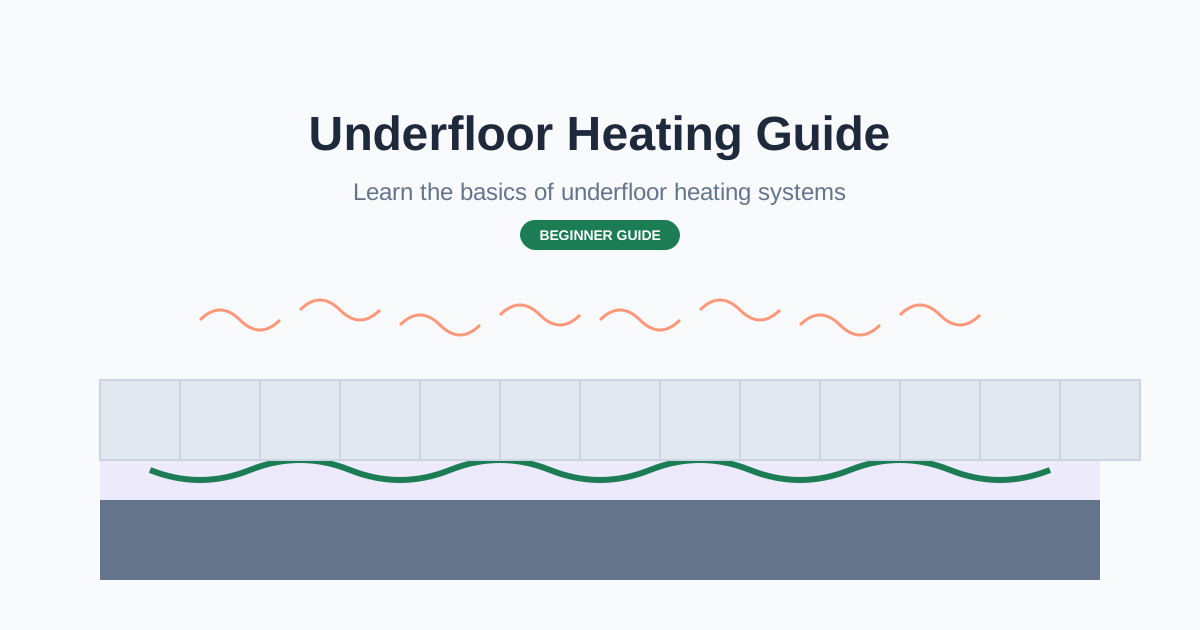
Underfloor heating is rapidly becoming a must-have feature in new builds and renovations alike. Unlike traditional heating—which relies on radiators or forced-air systems—underfloor heating works by gently warming the floor so that heat radiates upward, creating a consistent and comfortable living environment. This beginner’s guide aims to demystify the technology, outline the different systems, explore costs, and prepare readers to make informed decisions about installation and operation.[10][11]
What is Underfloor Heating?
Underfloor heating transforms your floor into a large, efficient radiator. Surface-mounted cables or water pipes, embedded within or beneath the floor’s structure, heat the space evenly and quietly, resulting in fewer cold spots and improved indoor comfort. The warmth generated is distributed by radiant ****heat—this feels different from convection heating and is less likely to dry the air or stir up dust.[11][12]
Underfloor heating fits beautifully into open-plan spaces, bathrooms, kitchens, and can be used as either primary or supplementary heating in a wide variety of properties. The reduction in visible hardware allows architects and homeowners to reclaim wall space for furniture or décor.[12][11]
Types of Underfloor Heating Systems
Electric (Dry) Systems
Electric underfloor heating systems use thin wires or mats installed directly below the flooring. These systems are fed by mains electricity and typically offer rapid heat response times. Because of their low profile, they can be easily fitted in renovations or single-room projects without significant changes in floor height.[13][14]
Electric mats are made for quick installation in tiled spaces such as bathrooms and kitchens, while loose wire kits permit more flexibility for irregular shapes or larger rooms.
Pros:
- Simple installation and minimal disruption.[14]
- Fast heat-up, precision temperature control.
- Great for small areas or as an upgrade during refurbishment.
Cons:
- Higher running cost than hydronic systems.
- Best suited for occasional or supplementary use, not whole-house heating.[15]
Water (Wet) Systems
Water-based systems use a network of flexible pipes connected to a central manifold and heat source (boiler or heat pump). These circulate warm water beneath the floor, offering excellent efficiency with lower running costs when used over larger areas or with renewable energy sources.[10][12]
Wet systems can be embedded in thick screeds for new builds, or “low-profile” kits can fit into renovation projects. Because installation is more complex, most projects require professional input.
Pros:
- Lower operating cost and highly efficient.
- Best suited for whole-home heating.
- Ideal with modern condensing boilers or heat pumps.
Cons:
- Higher installation cost.[12][13]
- Requires professional design and installation.
- Adds height to floors; planning needed for retrofits.
System Components & Options
Controls & Thermostats
Modern controls offer programmable schedules, multi-zone management, and smart home integration. Digital thermostats enable users to set comfortable temperatures for different rooms at different times, improving efficiency and comfort.[11]
Flooring Compatibility
Floor type impacts system selection and efficiency. Tiles and stone are exceptional conductors and work well with both systems. Timber, laminate, carpet, and vinyl require care—always check the manufacturer’s recommendations and install with suitable insulation.[14][10]
Insulation
Good insulation is essential to minimize heat loss and maximize efficiency. Subfloor insulation boards and edge insulation keep energy where it belongs—inside your living space. Without insulation, heat can escape downward, wasting energy and diminishing performance.[1][2]
Costs: Installation & Running
Electric Systems
Typical installation cost ranges from £500–£8,000 depending on system size and complexity. Materials (mats or cables), labor, and floor preparation are the main cost drivers. Running costs are higher than hydronic options, making these suitable for small or seldom-used areas.[13]
Water Systems
Water system installation can range from £80–£150 per square meter. Costs are higher for existing homes due to required floor modifications. For new builds, installation is simpler and often more cost-effective over time due to lower energy usage. Large projects and energy-efficient homes benefit especially.[11][12][13]
Energy Efficiency
Underfloor heating works at lower water temperatures than radiators, which translates to substantial savings—particularly when combined with modern condensing boilers or air-source heat pumps. Zoning rooms and using smart thermostats further enhances efficiency.[11]
Step-by-Step Installation Guide
Electric Underfloor Heating
-
Prepare the Subfloor
- Clean and level the space; remove any debris or sharp objects.[4][9]
- Install perimeter insulation and lay insulation boards.
-
Plan & Lay Mats or Cables
- Map out the area, avoiding heavy furniture zones.
- Lay the mat/cable evenly, adhering to manufacturer guidelines for spacing.
-
Install Floor Sensor & Connect Thermostat
- The sensor ensures accurate temperature control.
-
Check Wiring & Get Professional Sign-Off
- Engage a qualified electrician to inspect and officially connect the system.
-
Test & Lay Final Flooring
- Once the system is tested, floor can be finished—tile adhesive, screed, or selected layer.[6][9]
Water Underfloor Heating (Wet Systems)
-
Clean & Prep Floor
- Remove old flooring and ensure a clean, level base.
- Lay damp-proof membrane, followed by insulation boards.[2][1]
-
Install Manifold
- Mount manifold securely to a wall per manufacturer instructions.
- Manifold connects and distributes hot water throughout the pipework.
-
Lay Pipes
- Attach pipe to manifold and lay it out in consistent loops or a serpentine pattern.
- Secure pipes at regular intervals for even distribution; typical spacing 200mm.[1][2]
-
Pressure Test
- Fill pipes with water and test at high pressure to detect leaks.
-
Pour Screed
- Use self-leveling screed; follow drying recommendations (usually 7 days minimum).
- Keep system under pressure during this period.[5][2]
-
Connect to Boiler & Thermostat
- Professional plumber connects system to hot water source.
- Thermostat and controls are installed and system commissioned.
-
Final Checks
- Adjust pressure and temperature gradually for screed curing.
- Lay desired floor covering once safe.[2][5][1]
Maintenance and Troubleshooting
Underfloor heating is generally low maintenance but should be checked annually, especially in multi-zone installations. Common issues include thermostat faults, wiring problem (electric systems), or leaks in piping (wet systems).[16]
- Pre-Season Checks: Test system before winter arrives for any faults.
- Cleaning & Operation: Dust sensors, clean floor for optimum heat transfer.
- Professional Inspection: Wet systems benefit from periodic pressure tests and flushing.
- Troubleshooting: Ensure thermostats are working, check circuit breakers, inspect visible pipework.
Design & Planning Considerations
System Sizing
Getting the right system size is crucial. Sizing depends on room volume, insulation, floor type, occupancy, and energy input. Professional installers will calculate pipe/element length, manifold zones, and required water temperatures for optimal performance.[17][10][14]
Zoning
Divide spaces into zones for efficiency—bedrooms, bathrooms, or living areas may need different temperatures at different times. Zoning maximizes comfort and saves on running costs.[11]
Integration with Renewable Technology
Underfloor heating is ideal for heat pumps or solar thermal systems. Using lower water temperatures, it maximizes the efficiency of renewables, reducing carbon footprint and bills.[11]
Retrofitting
Retrofitting into older properties is entirely possible. Electric systems work well for small rooms, while low-profile wet systems can be designed for minimal floor build-up. Insulation and moisture barriers are especially important in older homes.[7]
Frequently Asked Questions
Will underfloor heating heat my house as well as radiators? In most cases, yes. UFH produces ideal comfort levels and covers the whole floor, preventing cold spots. Proper design is crucial to ensure it meets heating requirements.[16][12]
What floors work best with underfloor heating? Ceramics and stone are very efficient and work with both systems; timber, carpet, and vinyl require careful selection of adhesive, insulation, and system control.[14]
Is underfloor heating safe? Yes. All systems are designed to operate within safe temperature ranges, and qualified professionals ensure compliance with building standards.[16][11]
Can I install underfloor heating myself? Electric systems can be DIY-friendly in some cases, as long as final electrical work is certified professionally. Wet systems should be performed by experts due to plumbing and safety requirements.[3][8]
Does underfloor heating work with renewable energy sources? Absolutely. It is a perfect match for heat pumps and solar thermal, utilizing lower operating temperatures and increasing overall house efficiency.[10][11]
Will underfloor heating increase my floor height? Most wet systems require some build-up, especially when screed is poured. Low-profile systems and electric mats minimize this effect, making retrofits possible in most homes.[2][10]
Case Studies & Real-Life Examples
Many homeowners have transformed cold, draughty rooms into havens of warmth by switching to underfloor heating. Case studies show improved comfort, easier furniture placement, and lower energy consumption. In new builds, designers report greater flexibility for open plans and modern aesthetics. Renovation experts mention successful installations in period homes with both electric and low-profile wet systems.[18][7]
Tips for Success
- Always plan system layout based on room function and furniture placement.
- Invest in high-quality insulation for performance and energy savings.
- Don’t forget zoning—set different rooms to different temperatures for utmost comfort.
- Consult with professionals about system size, controls, and flooring compatibility.
- Check credentials and references for installers and always follow local building regulations.
- Use smart thermostats and home automation to optimize comfort and reduce running costs.
Conclusion
Underfloor heating blends performance, efficiency, and luxury—and as long as the design and installation are thoroughly planned, it consistently delivers comfort that’s hard to beat. Whether upgrading a single bathroom, retrofitting your entire home, or working with the latest building technologies, underfloor heating is a valuable investment in both lifestyle and property value.[19][3][7][12][13][2][10][14][11]
This guide covers all you need to know to make an informed decision, from the very first design steps to day-to-day operation, troubleshooting, and ongoing care. Enjoy every step of the journey towards a warmer, more efficient, and stylish home.
1 2 3 4 5 6 7 8 9 10 11 12 13 14 15 16 17 18 19